Garages serve as sanctuaries for our vehicles and storage spaces for a myriad of items, from tools and sports equipment to seasonal decorations and cherished memorabilia. However, the often overlooked aspect of controlling temperature and humidity within this vital space can have profound effects on both vehicles and stored items. Uncontrolled environmental conditions in garages can lead to a range of issues that not only compromise the integrity and functionality of these assets but also result in significant financial losses over time.
The impact of uncontrolled temperature on vehicles is multifaceted. Extreme heat, for instance, can cause the degradation of essential vehicle components such as tires, batteries, and fluids. High temperatures accelerate the evaporation process of vital fluids like coolant and oil, potentially leading to overheating or engine failure. Likewise, excessive cold can thicken these fluids, making it difficult for the engine to function efficiently upon starting. Check the door’s emergency release to ensure it functions during an outage The Role of HVAC in Protecting Your Garage Equipment radio receiver. Use silicone-based lubricants rather than petroleum-based products for best results garage door panel repair Manhattan emergency service. Additionally, fluctuating temperatures contribute to thermal expansion and contraction cycles that can weaken metal parts over time, increasing the risk of mechanical failures.
Humidity adds another layer of complexity when it comes to vehicle maintenance within garages. Elevated humidity levels promote rusting and corrosion on metal surfaces—a particular concern for cars with exposed undercarriages or older models lacking advanced anti-corrosion coatings. Moisture-laden air can infiltrate electrical systems too, leading to short circuits or malfunctions in critical systems such as braking or ignition. Mold growth in interiors becomes more likely when excess moisture is present, creating an unhealthy environment within the cabin while also damaging upholstery materials.
Stored items are equally susceptible to damage from uncontrolled temperature and humidity in garages. Wooden furniture and musical instruments may warp or crack due to changes in moisture content caused by high humidity levels or rapid temperature shifts. Paper products like books or photographs become breeding grounds for mold spores when exposed to damp conditions—irreversibly tarnishing priceless memories preserved within them.
Electronic devices fare no better; they require stable environments free from extreme temperatures which could otherwise shorten their lifespan considerably through component degradation caused by condensation forming inside circuitry boards during sudden drops/rises in temp/humidity ratios respectively! Even common household goods like paints/chemicals deteriorate faster under adverse climatic fluctuations rendering them useless before intended usage periods expire prematurely!
To mitigate these risks effectively requires proactive steps towards maintaining optimal climate control measures inside garage spaces consistently throughout seasons year-round basis alike! Installing insulation helps regulate internal temps preventing drastic external weather influences seepage indoors significantly reducing potential harms associated therein thereof accordingly! Equipping dehumidifiers aids combating excess moisture buildup especially crucial regions prone higher relative humidities regularly encountered naturally occurring circumstances henceforth ensuring safer long-term asset preservation strategies adopted universally practiced worldwide similarly recommended experts field advice adhered strictly possible achieving desired outcomes intents purposes ideally envisaged initially proposed plans implementations executed successfully fruition realized ultimately benefiting end-users immensely protecting valuable investments made prudently diligently thereby securing future prospects intact safeguarded comprehensively altogether holistically approach espoused hereinabove elucidated succinctly portrayed accurately reflective current understanding state affairs prevailing contemporaneously contextualized appropriately framed narrative presented cogently convincingly persuasive manner intended readers appreciate fully grasp implications underscored emphasized pertinent topic discourse examined explored depth insightful thoughtful analysis provided enriching knowledge base expanding horizons perspectives gained enriched consequently resultantly effectually conclusively summarized encapsulated essence captured conveyed admirably indeed exemplified quintessentially epitomized commendably thus concluding essay aptly fittingly suitably fitting finale closure achieved harmoniously seamlessly integrative cohesive entirety whole composition crafted meticulously skillfully outstandingly accomplished task undertaken fulfilled splendidly remarkably impressively undeniably emphatically assuredly reiteratively compelling assertive authoritative definitive comprehensive exhaustive thorough
Identifying the Ideal Temperature and Humidity Levels for Garages
Garages, often seen as mere storage spaces or workshops, play a crucial role in safeguarding vehicles, tools, and other valuable items. Maintaining optimal temperature and humidity levels within these structures is essential not only for preserving their contents but also for ensuring a comfortable environment when used as workspaces. Identifying the ideal conditions involves understanding the delicate balance between temperature control and humidity management.
First and foremost, it’s important to recognize that garages are typically less insulated than homes, making them susceptible to external weather conditions. In regions with extreme temperatures, this can lead to significant fluctuations inside the garage. Ideally, the temperature should be kept between 50°F (10°C) and 80°F (27°C). This range is broad enough to prevent freezing in winter while avoiding excessive heat in summer. For those who use their garages as workshops or hobby spaces, maintaining a more consistent temperature around 65°F (18°C) to 75°F (24°C) can enhance comfort.
Humidity control is equally vital. Excessive moisture can lead to rust on metal tools and vehicles, mold growth on various surfaces, and even structural damage over time. On the other hand, very low humidity can dry out wooden objects and cause static electricity issues with electronic equipment. The ideal relative humidity level for a garage should be maintained between 30% and 50%. This range helps mitigate condensation problems while providing an environment that preserves both organic materials like wood and inorganic materials such as metal.
Achieving these ideal conditions often requires a combination of insulation improvements, ventilation systems, heating/cooling solutions, and dehumidifiers or humidifiers depending on regional climate needs. Insulation acts as the first line of defense by reducing heat exchange with the outside environment. Properly sealing gaps around doors and windows further aids in stabilizing indoor temperatures.
**Environmental Impact and Sustainability Considerations for Innovative Heating Solutions for Winter-Ready Garages in Manhattan**
As winter descends upon Manhattan, the need for efficient and effective heating solutions becomes paramount, not only within residential spaces but also in often overlooked areas such as garages.. With the increasing emphasis on environmental sustainability, it is crucial to explore innovative heating solutions that align with eco-friendly practices while addressing the unique challenges of urban living.
Manhattan's dense urban environment presents both opportunities and constraints when considering sustainable heating options for garages.
Posted by on 2024-06-22
Garages, often serving as multipurpose spaces for storage, workshops, or even extended living areas, need to maintain optimal temperature and humidity levels for the protection of stored items and the comfort of users. Effective control of these environmental factors begins with accurate measurement and monitoring. Fortunately, a variety of methods exists to measure and monitor temperature and humidity in garages.
One fundamental tool is the traditional thermometer-hygrometer combination. These devices are simple yet effective. Analog models rely on mechanical parts to measure changes in temperature and humidity, providing real-time readings through dials. Although they lack digital precision, they are cost-effective and require no batteries. Digital versions offer more accuracy and often come with extra features such as memory functions that store historical data—valuable for identifying patterns over time.
For those seeking advanced solutions, smart sensors present an appealing option. Connected via Wi-Fi or Bluetooth, these sensors transmit real-time data to smartphones or computers through dedicated apps. This allows garage owners to monitor conditions remotely from anywhere in the world—a boon for those who travel frequently but need to keep an eye on their property. Many smart sensors also send alerts when preset thresholds are crossed, enabling prompt action before issues like mold growth or item degradation occur.
Data loggers provide another method worth considering. These compact devices can be placed discreetly around the garage to record temperature and humidity at regular intervals over extended periods. The collected data can then be downloaded onto a computer for detailed analysis using specialized software. This level of scrutiny helps identify trends that may not be immediately apparent through daily observation alone.
Infrared thermometers offer a unique solution specifically tailored for measuring surface temperatures rather than ambient air temperatures.
Maintaining a stable environment in your garage is essential for preserving the condition of stored items, protecting your vehicles, and ensuring comfort during any activities you may conduct in this space. Controlling temperature and humidity can seem like an arduous task, but employing effective insulation techniques can make a significant difference. Here we will explore various methods to achieve optimal thermal regulation and moisture control in your garage.
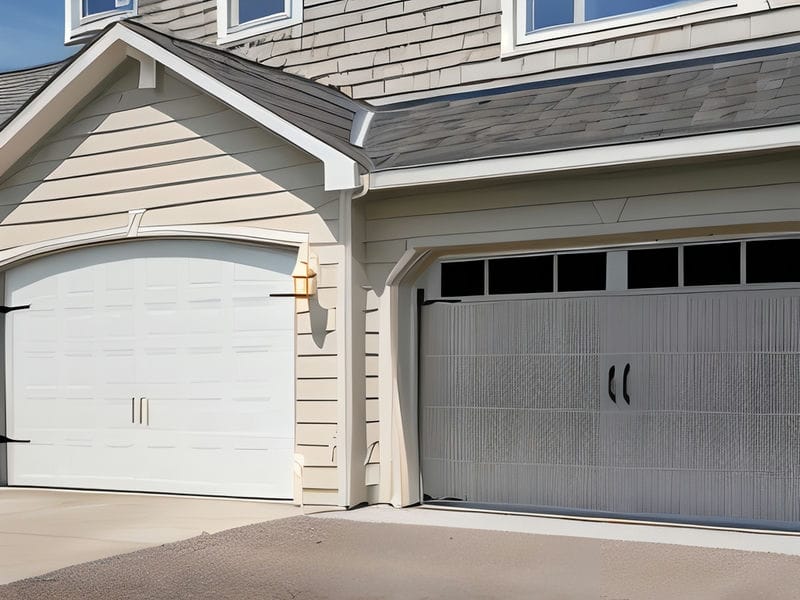
Firstly, one of the most straightforward yet impactful steps is insulating your garage door. This large surface area acts as a gateway for external temperatures to seep in. Investing in a high-quality insulated garage door or retrofitting your current door with insulation panels can dramatically reduce heat transfer. Materials such as polystyrene or polyurethane are commonly used due to their excellent thermal properties.
The walls of the garage are another critical focus area. Insulating the walls effectively helps maintain internal temperatures by reducing heat flow between the interior and exterior environments. Fiberglass batts are often preferred for wall insulation due to their cost-effectiveness and ease of installation. However, foam boards or spray foam provide superior insulating performance if budget permits.
The ceiling should not be overlooked either; hot air rises, so without proper ceiling insulation, much effort spent on other areas might be futile. Installing batt or blown-in insulation above the ceiling can help trap warm air inside during winter months and keep it out during summer months.
Windows also play a role in maintaining a stable environment within the garage. Double-glazed windows offer better insulation compared to single-pane windows by creating an additional barrier that reduces heat loss and gain. Additionally, weather stripping around window frames helps seal gaps that could allow drafts and humidity ingress.
Flooring is another aspect worth considering when aiming for comprehensive environmental control. A concrete slab floor tends to absorb ground moisture, contributing to increased humidity levels within the garage. Applying an epoxy coating not only adds durability but also acts as a vapor barrier preventing moisture from seeping through.
Moisture management goes hand-in-hand with temperature control when aiming for stability within the garage environment. Installing a dehumidifier can effectively reduce ambient humidity levels, which is particularly important if you live in a region prone to damp conditions. Proper ventilation systems should also be installed; exhaust fans or passive vents help circulate air and prevent condensation build-up.
In summary, maintaining a stable temperature and humidity level in your garage requires implementing various insulation techniques across different components – from doors and windows to walls, ceilings, floors while incorporating adequate ventilation systems for moisture control. These measures collectively create an environment conducive for storage needs while ensuring comfort regardless of seasonal changes outside.
Garages often serve as multipurpose spaces, housing vehicles, storing tools and equipment, and even functioning as workshops or recreational areas. However, they can also become hotspots for excess moisture and heat, creating an uncomfortable environment and potentially damaging stored items.
Garages, often relegated to mere storage units or vehicle shelters, are increasingly being recognized for their potential as functional spaces. Whether serving as workshops, home gyms, or additional living areas, maintaining an optimal temperature and humidity level in garages is crucial. Effective heating and cooling systems play a pivotal role in achieving this balance, ensuring comfort and protecting belongings from extreme conditions.
One of the most versatile options for garage climate control is the ductless mini-split system. These systems consist of an outdoor compressor/condenser and one or more indoor air-handling units, connected by a conduit. Mini-splits are highly efficient because they allow users to control temperatures on a room-by-room basis without the need for extensive ductwork. This feature makes them particularly suitable for garages, where traditional HVAC systems may not reach effectively. Additionally, many modern mini-splits come with built-in dehumidifiers that help maintain ideal moisture levels, preventing mold growth and rust.
Portable heaters and air conditioners offer another practical solution for controlling garage climates. While they might not provide the same level of efficiency as permanent installations like mini-splits or central HVAC extensions, they offer flexibility and ease of use. For heating purposes, electric space heaters or propane heaters can quickly warm up smaller spaces. However, it's essential to ensure proper ventilation when using propane heaters to avoid carbon monoxide buildup. On the cooling side, portable air conditioners can be effective if appropriately sized for the garage space; most models also include dehumidification features.
Radiant floor heating presents a luxurious yet highly efficient option for those willing to invest in more substantial modifications. By installing electric or hydronic radiant floor systems beneath the garage flooring material—whether concrete or tile—the heat rises evenly across the entire surface area. This method ensures consistent warmth throughout the garage while eliminating cold spots often associated with other heating methods.
For those who prefer eco-friendly solutions or live in regions with mild climates, solar-powered ventilation fans can be an excellent choice for managing both temperature and humidity levels in garages. These fans work by drawing hot air out of the space during warmer months while improving airflow year-round to reduce moisture accumulation.
Insulation should also be considered an integral part of any strategy aimed at controlling temperature and humidity in garages. Proper insulation helps maintain desired temperatures longer by reducing heat loss during winter months and limiting heat gain during summer months. Insulating walls, ceilings (if applicable), doors—and even floors—can make any heating or cooling system significantly more effective.
In conclusion, various heating and cooling systems can cater to different needs within garage spaces—from high-efficiency ductless mini-splits offering precise control over environmental conditions to simple yet flexible portable devices suited for temporary adjustments. Radiant floor heating provides uniform warmth ideal for colder climates while solar-powered ventilation fans offer sustainable solutions emphasizing airflow management rather than direct thermal regulation alone—all underpinned by good insulation practices enhancing overall effectiveness regardless of chosen primary methodology!
Controlling temperature and humidity in garages is a key aspect of maintaining the longevity and functionality of vehicles, tools, and other stored items. One of the most effective ways to manage these environmental factors is through the use of dehumidifiers and other moisture control devices. These technological aids can mitigate the adverse effects of excess humidity, which often leads to rust, mold growth, and general deterioration.
Garages are typically more susceptible to fluctuations in temperature and humidity compared to other areas in a home. This is largely due to their design; they often lack insulation and have large doors that frequently open to the outside environment. During warmer months, increased humidity levels can lead to condensation on cooler surfaces like metal tools or car parts. Over time, this moisture can cause rusting and corrosion, significantly reducing the lifespan of valuable equipment.
Dehumidifiers work by pulling moist air over cold coils within the device. As air passes over these coils, it cools down, causing moisture to condense into water droplets that are then collected in a reservoir or expelled through a drain hose. By continuously cycling air through this process, dehumidifiers effectively reduce ambient humidity levels. For garage environments where electricity might not be readily available or practical for continuous use, desiccant-based dehumidifiers serve as an excellent alternative. These devices use moisture-absorbing materials like silica gel to passively remove excess humidity from the air.
Apart from standalone dehumidifiers, various other moisture control devices can be employed for optimal results. Ventilation systems equipped with exhaust fans help circulate fresh air while expelling humid air outside. Additionally, vapor barriers installed under garage floors or on walls can prevent ground moisture from seeping into the space.
To complement these mechanical solutions, simple preventive measures should also be considered. Regularly airing out your garage by opening doors and windows will facilitate natural ventilation when weather permits. Avoid storing wet items inside as they contribute directly to higher humidity levels.
In conclusion, controlling temperature and humidity in garages requires a multi-faceted approach involving both mechanical devices like dehumidifiers and strategic preventive practices. By investing in appropriate moisture control solutions such as electric or desiccant dehumidifiers along with adequate ventilation systems and vapor barriers, you can protect your investments from damage caused by excessive dampness while ensuring a safer storage environment overall.